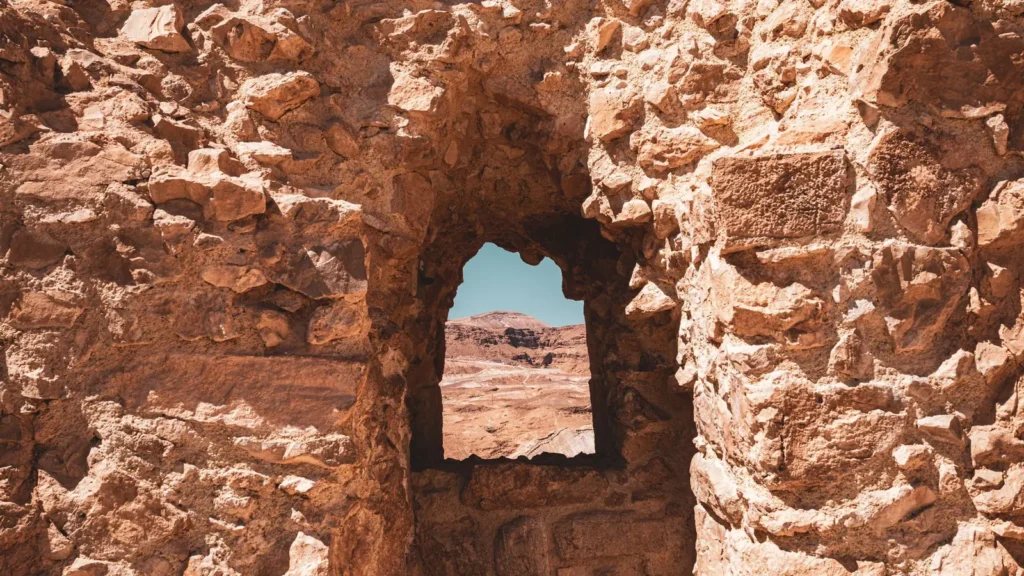

In 1947 a young Bedouin shepherd searching for a lost goat near the Dead Sea threw a stone into a cave and heard pottery break. Inside were clay jars holding ancient scrolls. Over the following years, manuscripts were found in eleven caves near Qumran, and scholars had the greatest manuscript discovery of the twentieth century.
The scrolls include portions of almost every book of the Hebrew Bible, and many of them were copied more than two thousand years ago. Before the discovery, the oldest complete Hebrew manuscripts dated to around the tenth century AD. The Great Isaiah Scroll, which contains the whole book of Isaiah, is roughly a thousand years older.
When scholars compared the scrolls with later copies, they found something remarkable. The text of passages such as Isaiah 53 was carefully handed down with very few meaningful changes. The words of Isaiah 40:8, “The grass withers, the flower fades, but the word of our God stands forever,” describe well the patient work of the scribes who copied them.
The scrolls also show us the world of Judaism in the centuries before Jesus: the hopes of a community living in the desert, their reading of the prophets and their longing for a coming king. They remind us that the Bible grew in a real place and time, among real people who treasured every word. As Psalm 119:105 puts it, “Your word is a lamp to my feet and a light to my path.”
This is a sample article. Replace or delete it.